Restaurant Interior Design Trends That Will Define Modern Dining Spaces
A successful restaurant is about more than great food. The interior plays a major role in how guests feel, how long they stay, and how they remember the brand. As dining preferences continue to evolve, restaurant owners are looking for spaces that combine visual appeal, comfort, functionality, and a strong sense of identity.
In 2026, restaurant interiors are moving beyond purely decorative concepts. Designers are focusing more on authentic materials, flexible layouts, sensory experiences, sustainability, and spaces that feel personal rather than generic.
For restaurant brands planning a new location or renovation, understanding these restaurant interior design trends can help create a space that remains relevant while delivering a better guest experience.
1. Warm and Natural Materials
Natural materials are becoming increasingly important in modern restaurant interiors. Wood, stone, textured finishes, natural fibers, and greenery can create warmth and visual depth.
Instead of overly polished spaces, designers are using materials that feel authentic and develop character over time. This approach can make a restaurant feel more welcoming while supporting a sophisticated aesthetic.
The key is balance. Natural materials should complement the restaurant’s concept, menu, location, and target audience rather than simply being added because they are fashionable.
2. Flexible Restaurant Layouts
Modern restaurants need spaces that can adapt throughout the day. A layout that works for lunch may need to feel completely different during dinner or special events.
Flexible seating, movable furniture, multifunctional areas, and thoughtfully planned circulation can help restaurants accommodate different group sizes and dining occasions.
Good planning also considers the operational side of the business. Guests should be able to move comfortably while staff can efficiently navigate between the kitchen, service areas, and dining spaces.
3. Lighting as a Design Feature
Lighting is no longer just about making a restaurant bright enough to see the menu. It is an important part of the overall dining experience.
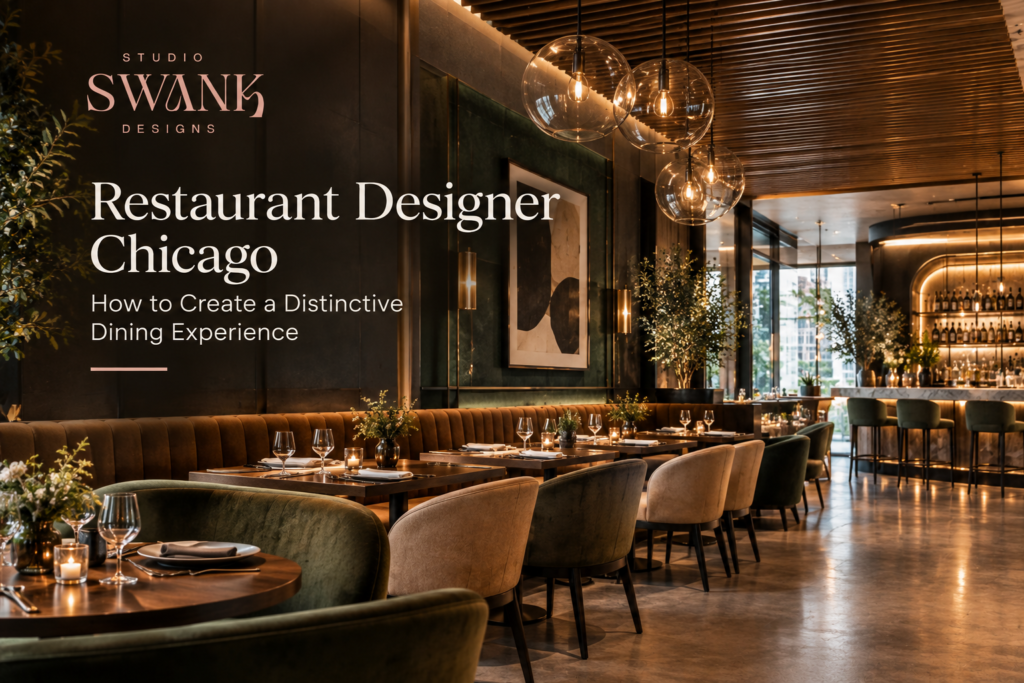
Layered lighting can help establish different moods throughout the restaurant. Pendant fixtures, accent lighting, wall lighting, concealed illumination, and carefully positioned decorative fixtures can highlight architectural features while creating a more comfortable atmosphere.
Restaurants can also use lighting to transition between daytime and evening experiences. Smart lighting systems are increasingly being incorporated to provide greater control over brightness and ambience.
4. Biophilic Design and Greenery
Bringing elements of nature into dining environments can make interiors feel calmer and more inviting. Plants, natural textures, organic shapes, and views of greenery can all contribute to a stronger connection with nature.
Biophilic design does not necessarily mean covering a restaurant in plants. A carefully selected living wall, statement tree, natural wood finish, or greenery integrated into the seating area can have a significant visual impact.
The goal is to create an environment where natural elements feel intentional and connected to the overall concept.
5. Designs That Tell a Brand Story
One of the most important shifts in modern hospitality design is the move away from generic themes. Restaurants increasingly want interiors that communicate their own story.
Architecture, furniture, artwork, colors, materials, lighting, and custom details can work together to express a restaurant’s personality.
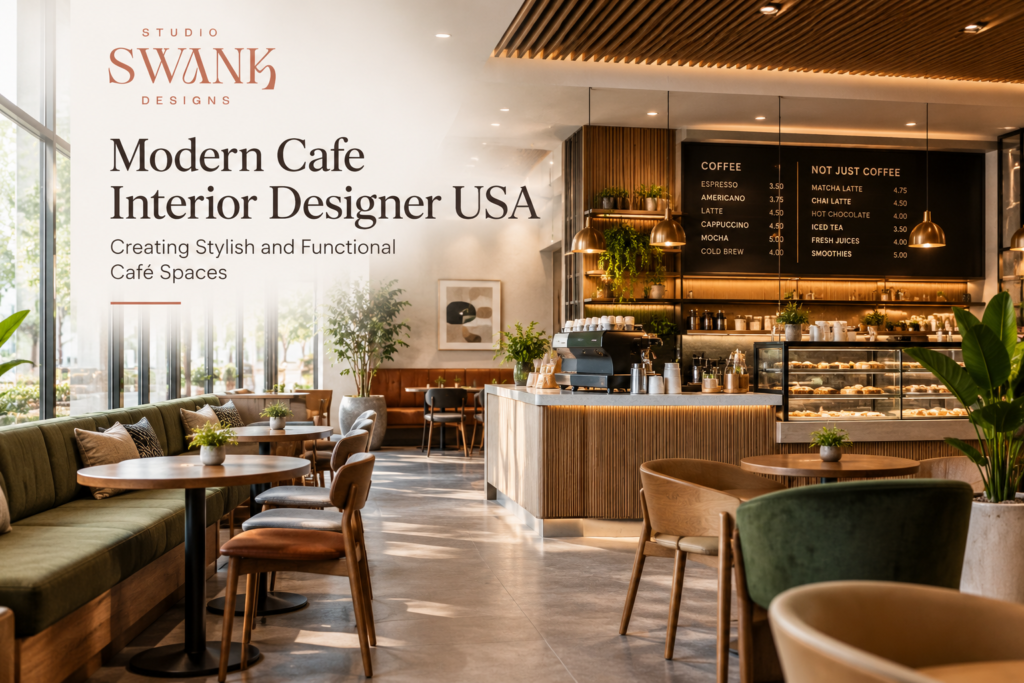
A successful interior should make sense for the brand. A fine-dining restaurant, neighborhood café, contemporary bar, and fast-casual concept should not feel interchangeable.
This is where thoughtful design becomes a business asset rather than simply decoration.
6. Tactile and Experiential Interiors
Today’s diners are increasingly interested in experiences, not just aesthetics. Texture, acoustics, lighting, furniture comfort, and even small sensory details can influence how guests experience a space.
Hospitality design trends for 2026 are placing greater emphasis on how environments feel rather than simply how they photograph.
Comfortable seating, acoustic treatments, textured surfaces, and carefully considered lighting can create an atmosphere that encourages guests to relax and stay longer.
7. Sustainable and Long-Lasting Choices
Sustainability is becoming more closely connected with durability and long-term value. Restaurant owners are looking beyond short-lived trends and considering materials and furnishings that can withstand heavy daily use.
Responsible material selection, energy-efficient lighting, durable finishes, and adaptable furniture can help create interiors that perform well over time.
For a restaurant, sustainable design should also make practical business sense. Materials need to look good while handling cleaning, traffic, spills, and everyday wear.
How Studio Swank Approaches Modern Restaurant Design
At Studio Swank, restaurant design is about creating an experience that connects brand identity, functionality, and aesthetics.
From spatial planning and material selection to lighting, furniture, and custom details, every element should support the restaurant’s concept and guest journey.
Rather than following trends blindly, the best approach is to identify which design directions genuinely fit the brand. A timeless foundation combined with carefully selected contemporary elements can create an interior that feels current without becoming outdated quickly.
Conclusion
The latest restaurant interior design trends are centered on creating spaces that feel authentic, comfortable, flexible, and memorable. Natural materials, adaptable layouts, thoughtful lighting, biophilic elements, sensory design, sustainability, and brand storytelling are shaping the next generation of dining environments.
For restaurant owners, the opportunity is not simply to create a beautiful interior. It is to design a space that supports operations, communicates the brand, and gives guests a reason to return.
With a strategic and experience-focused approach, Studio Swank helps transform restaurant concepts into distinctive environments designed for both people and performance.
FAQs
1. What are the biggest restaurant interior design trends for 2026?
Key trends include natural materials, flexible layouts, biophilic design, layered lighting, sensory experiences, sustainable choices, and stronger brand storytelling.
2. Why is lighting important in restaurant interior design?
Lighting influences mood, comfort, atmosphere, and visual focus. A layered lighting plan can help a restaurant transition effectively from daytime service to evening dining.
3. How can restaurant design improve the guest experience?
Comfortable seating, intuitive circulation, appropriate acoustics, attractive lighting, thoughtful materials, and a strong brand identity can make the dining experience more enjoyable.
4. Is sustainable restaurant design expensive?
Not necessarily. Sustainable design can include durable materials, energy-efficient lighting, adaptable furniture, and thoughtful sourcing. The right choices can also reduce long-term replacement and operating costs.
5. Should restaurants follow every new interior design trend?
No. Trends should support the restaurant’s brand and business goals. A strong design combines relevant contemporary ideas with timeless planning and materials.