Restaurant Designer Chicago – How to Create a Distinctive Dining Experience
A great restaurant is more than a place to enjoy a meal. It is an experience shaped by atmosphere, layout, lighting, furniture, materials, and brand identity. In a competitive dining market like Chicago, thoughtful interior design can help a restaurant create a strong first impression and give guests a reason to return.
Choosing the right restaurant designer Chicago can help restaurant owners turn a creative concept into a functional and memorable environment. Studio Swank approaches restaurant design by combining sophisticated aesthetics with practical space planning and a clear understanding of the guest journey.
Why Restaurant Design Matters in Chicago
Chicago has a diverse restaurant scene, from sophisticated fine dining establishments and modern cafés to vibrant bars and contemporary hospitality concepts. Standing out requires more than an attractive menu.
A well-designed restaurant can:
- Strengthen brand identity
- Improve guest comfort
- Create a memorable atmosphere
- Support efficient staff movement
- Maximize available space
- Encourage repeat visits
- Create visually engaging spaces for social media
The right interior design makes your restaurant feel intentional from the moment guests arrive.
What Makes a Distinctive Restaurant Interior?
A distinctive dining environment combines several design elements into one cohesive experience.
Thoughtful Space Planning
The layout should allow guests and staff to move comfortably. Seating arrangements, walkways, service areas, entrances, and restrooms should work together without creating unnecessary congestion.
Good space planning also helps restaurant owners make the most of their available square footage without making the dining area feel overcrowded.
Lighting That Sets the Mood
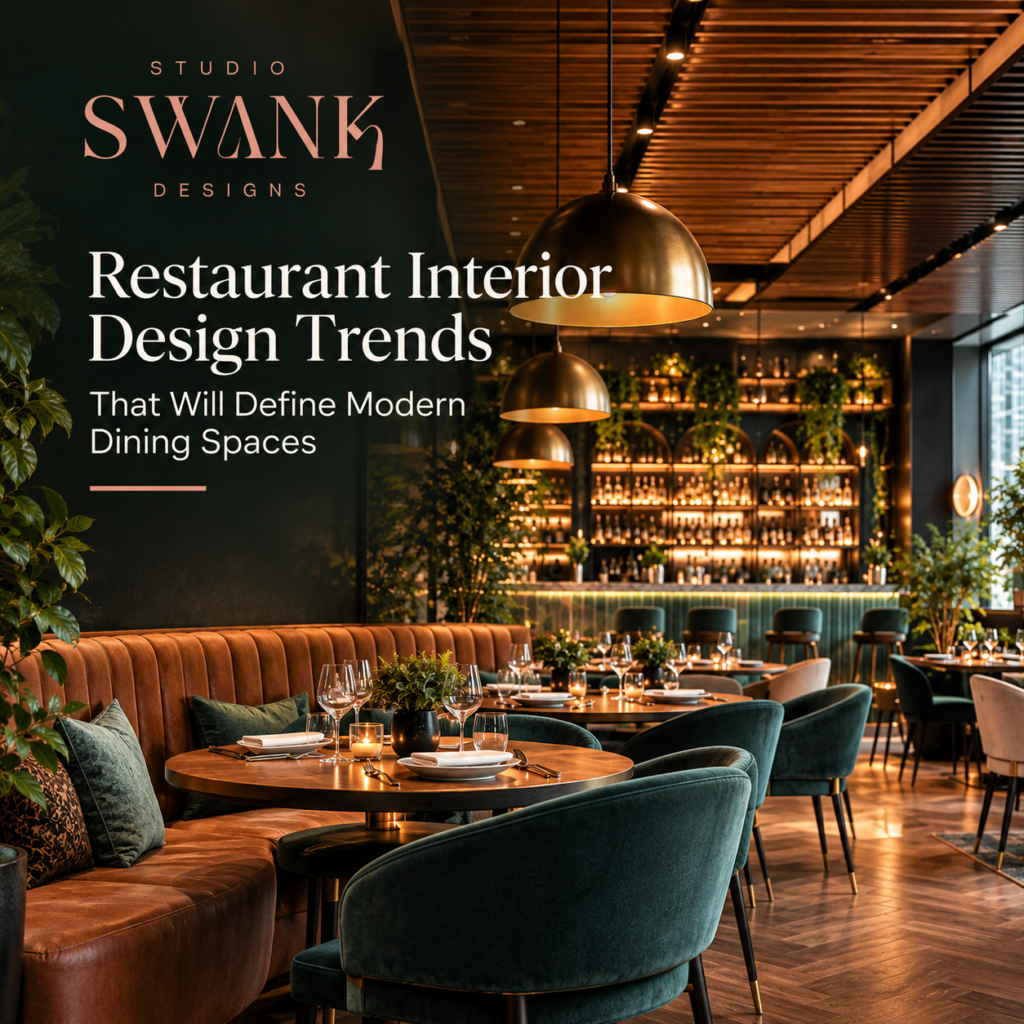
Lighting can completely change the atmosphere of a restaurant. Warm ambient lighting can create an intimate setting, while carefully positioned accent lighting can highlight architectural features, artwork, or signature design elements.
A layered lighting strategy can make the space feel dynamic throughout different times of the day.
Furniture That Supports the Concept
Furniture should complement the restaurant’s personality while providing comfort and durability.
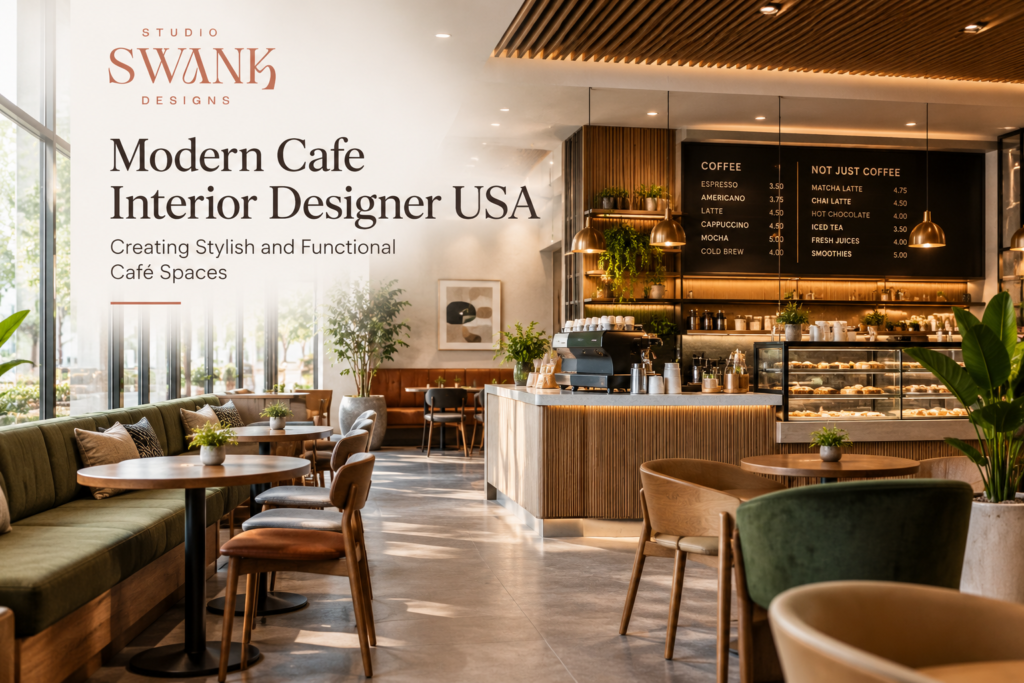
For example, a luxury restaurant may benefit from sophisticated custom seating, while a contemporary café may require flexible furniture that supports different customer needs.
Materials and Finishes
Materials play an important role in creating visual identity. Wood, stone, metal, glass, textured surfaces, and decorative finishes can be combined to create a unique environment.
The best selections balance aesthetics with durability, maintenance requirements, and the restaurant’s operational needs.
Building a Strong Brand Through Interior Design
A restaurant’s interior should communicate its brand without relying on excessive signage or decoration.
Studio Swank considers elements such as:
- Color palettes
- Architectural details
- Furniture styles
- Artwork
- Lighting
- Materials
- Decorative accents
When these elements work together, the restaurant develops a recognizable visual identity that guests can remember.
Designing for the Guest Journey
A successful restaurant interior considers the complete customer experience—not just the dining table.
The journey may include:
Arrival → Reception → Waiting → Seating → Dining → Restroom → Departure
Each stage should feel circulation, and thoughtfully designed dining environment create a smoother overall experience.
connected. A welcoming entrance, comfortable waiting area, clear For businesses searching for a restaurant designer Chicago, this guest-focused approach can help transform an ordinary dining space into a destination.
Functionality Should Come First
A restaurant can look beautiful in photographs but still fail if the design doesn’t support daily operations.
Professional restaurant design should consider:
- Staff circulation
- Kitchen access
- Storage requirements
- Service stations
- Seating capacity
- Accessibility
- Cleaning and maintenance
At Studio Swank, aesthetics and functionality are treated as complementary parts of the design process. The goal is to create spaces that look exceptional while working efficiently every day.
Why Choose Studio Swank?
Studio Swank creates custom hospitality interiors designed around each client’s vision, brand, and operational requirements. Rather than applying the same design approach to every project, the team develops spaces that feel distinctive and purposeful.
For restaurant owners planning a new concept, expansion, or renovation, working with an experienced restaurant designer Chicago can help bring together creative direction, space planning, materials, lighting, and functionality into one cohesive design.
Conclusion
A distinctive restaurant interior can become one of your strongest brand assets. From the entrance and lighting to furniture, materials, and seating arrangements, every detail contributes to the guest experience.
Whether you’re opening a new restaurant or updating an existing space, Studio Swank can help transform your vision into a sophisticated, functional dining environment designed to leave a lasting impression.
Ready to create a restaurant that stands out? Connect with Studio Swank and start planning your next hospitality design project.
FAQs
1. Why hire a professional restaurant designer in Chicago?
A professional restaurant designer can create a space that balances aesthetics, customer comfort, brand identity, and operational efficiency.
2. What does restaurant interior design include?
Restaurant interior design can include space planning, furniture selection, lighting, materials, finishes, color palettes, décor, and overall concept development.
3. How can restaurant design improve the customer experience?
Thoughtful design improves circulation, comfort, atmosphere, visual appeal, and the overall guest journey from arrival to departure.
4. Can Studio Swank design different types of restaurants?
Yes. Restaurant concepts can range from fine dining and contemporary restaurants to cafés, bars, lounges, and other hospitality environments.
5. What should I consider before starting a restaurant design project?
Consider your concept, target customers, available space, operational workflow, brand identity, seating requirements, budget, and desired guest experience.