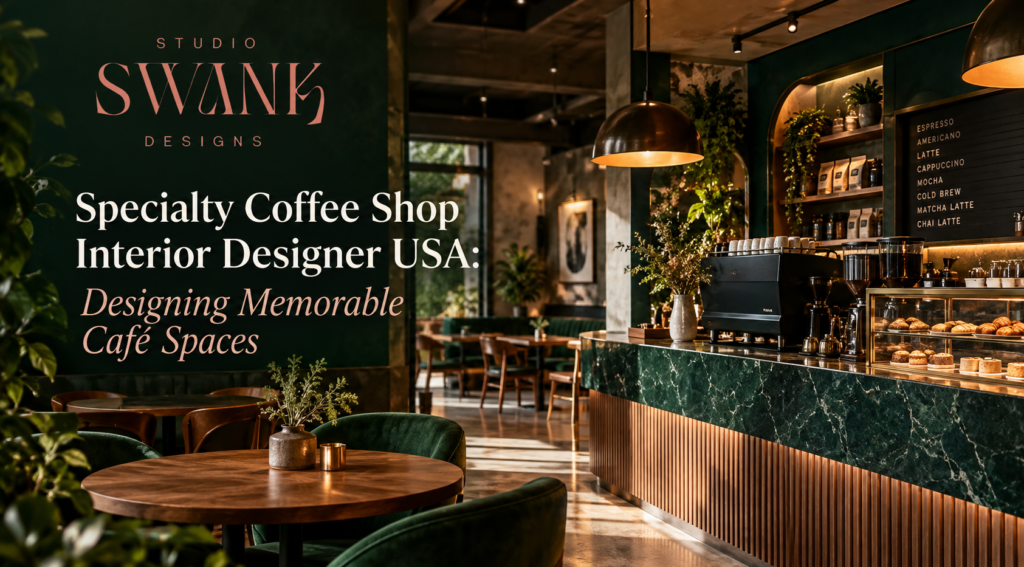
Aesthetic Clinic Interior Designer USA – Creating Calm, Modern Spaces
An aesthetic clinic should feel professional without feeling cold. Clients often expect a space that combines trust, comfort, privacy, and a refined visual experience. Thoughtful interior design can help achieve this balance while supporting the practical needs of staff and treatments.
For aesthetic clinics, design is not simply about appearance. Space planning, circulation, lighting, privacy, materials, and workflow all contribute to a more comfortable and efficient environment.
What Does an Aesthetic Clinic Interior Designer USA Do?
An Aesthetic Clinic Interior Designer USA creates interiors that balance client experience with operational functionality. The process can include reception planning, waiting areas, consultation rooms, treatment spaces, circulation, lighting, furniture, materials, and brand integration.
A well-planned clinic should make it easy for clients to understand where to go while maintaining appropriate privacy between public and treatment areas.
Key Elements of Effective Aesthetic Clinic Design
1. Welcoming Reception and Waiting Areas
Reception creates the first impression of a clinic. Comfortable seating, clear wayfinding, calming finishes, and thoughtful lighting can make the environment feel more welcoming and professional.
2. Privacy-Focused Layouts
Privacy is especially important in aesthetic and wellness environments. Consultation and treatment areas should be planned carefully to reduce unnecessary visibility and create a comfortable client journey.
3. Comfortable Treatment Rooms
Treatment rooms should support both practitioners and clients. Practical storage, appropriate lighting, easy movement, and organized equipment placement can help create an efficient environment without compromising the overall aesthetic.
4. Lighting and Materials
Soft ambient lighting can create a calmer atmosphere in reception and waiting areas, while treatment spaces may require more task-focused illumination. Durable, easy-to-maintain finishes can also support the everyday requirements of a busy clinic.
5. Brand Identity
A clinic’s interior should reflect its brand. Colors, textures, furniture, signage, artwork, and architectural details can work together to create a consistent visual identity throughout the client journey.
Creating a Better Client Experience
An Aesthetic Clinic Interior Designer USA considers how clients experience the space from arrival to departure. The transition from reception to consultation and treatment areas should feel natural, organized, and reassuring.
Warm materials, uncluttered layouts, comfortable seating, and carefully considered lighting can help create an environment that feels sophisticated while still maintaining a professional clinical character.
How Studio Swank Approaches Clinic Interiors
Studio Swank focuses on creating commercial interiors that bring together visual character and practical functionality. For an aesthetic clinic, this means understanding the brand, target clientele, available space, workflow, and desired atmosphere before developing the design direction.
From space planning and furniture selection to materials, lighting, and branded details, each element can be coordinated to create a cohesive environment.
Businesses looking for an Aesthetic Clinic Interior Designer USA can work with Studio Swank to develop a space that supports both client experience and day-to-day operations.
Conclusion
A successful aesthetic clinic needs more than a beautiful interior. It needs thoughtful planning that supports privacy, comfort, workflow, branding, and the overall client experience.
With strategic commercial interior design, Studio Swank can help aesthetic clinics create polished, welcoming spaces that feel distinctive while remaining practical for everyday use.
Frequently Asked Questions
1. Why is interior design important for an aesthetic clinic?
Interior design can influence client comfort, privacy, brand perception, workflow, and the overall experience.
2. What should an aesthetic clinic reception area include?
It should provide clear entry, comfortable seating, intuitive circulation, appropriate lighting, and a design that reflects the clinic’s brand.
3. How can clinic design improve privacy?
Strategic zoning, room placement, partitions, acoustic considerations, and controlled circulation can help create greater privacy.
4. What materials work well in aesthetic clinics?
Durable, easy-to-maintain materials with a refined appearance can balance practical requirements with a premium aesthetic.
5. Can Studio Swank design different types of commercial spaces?
Yes. Studio Swank works across commercial interior design projects, creating spaces tailored to individual business goals, branding, and functional requirements.